Brake Repair and Safety Inspection in Billerica, MA
RELATED SERVICES:
Services> Brake System Repair
Brake Repair Services for Billerica Drivers
Our brake repair services in Billerica, MA, cover the entire hydraulic and friction braking system. This includes brake pads, rotors, calipers, hoses, brake fluid, and the master cylinder. We also service the ABS module, which works with the wheel speed sensors to help control braking.
Pro Tire & Tune provides comprehensive brake services for domestic, Asian, and European vehicles. Our services include brake pad replacement, brake caliper repair, and brake fluid flushes. We work on everything from Toyota commuter sedans and everyday Jeeps to BMW sport sedans.
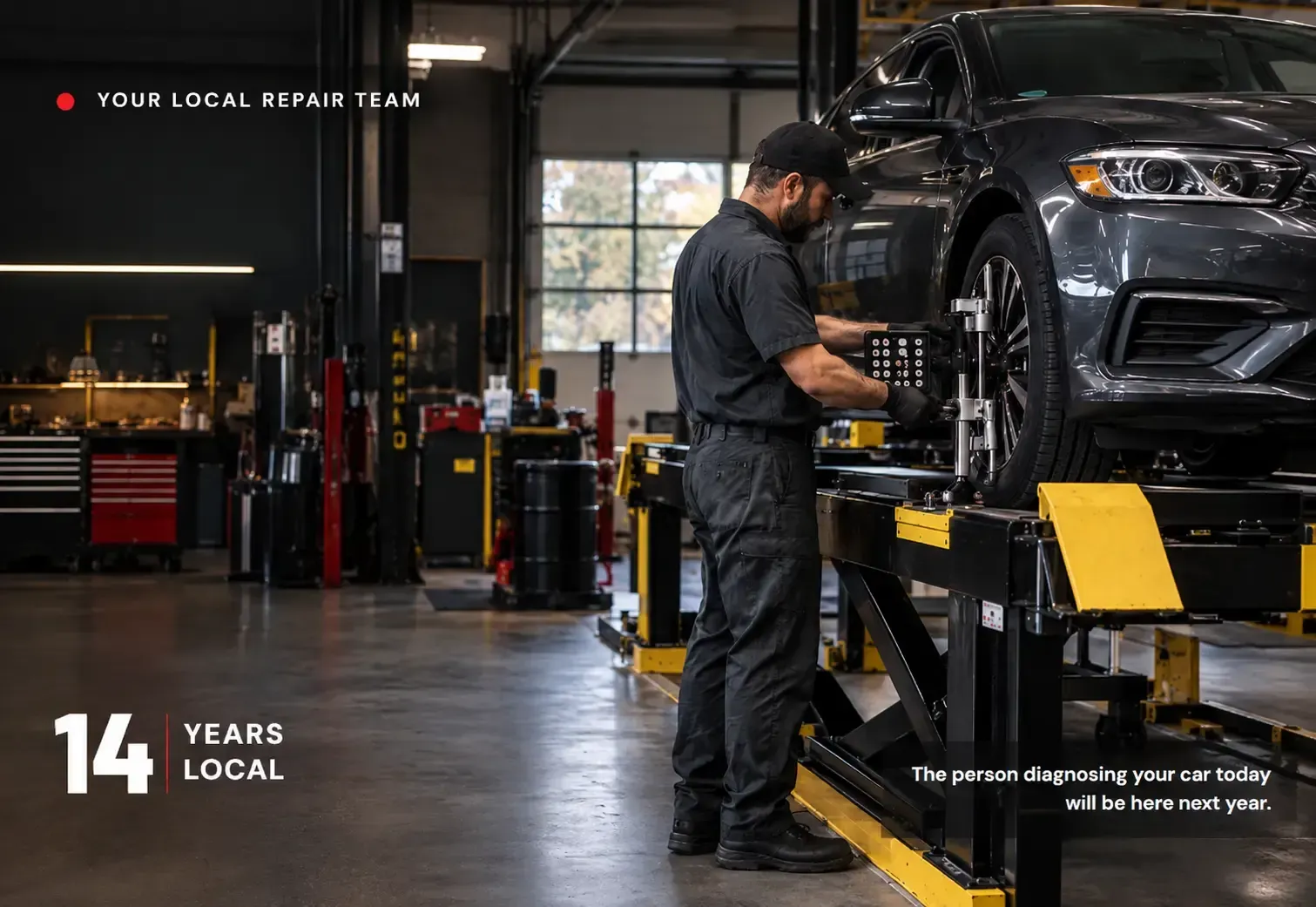
Daily commutes on Boston Road and Route 3, combined with winter road salt, can accelerate brake system wear compared to milder climates. The shop has been owner-operated for 14 years, and the same lead technician has worked in the service bay for 15 years. That consistency is why customers from Lowell, Tewksbury, Chelmsford, and Wilmington continue to trust our team with their vehicles.
Complete Brake Repair Services
Your vehicle's braking system relies on several connected hydraulic and electronic components. A sticking caliper can overheat the rotor and brake fluid behind the piston. Moisture-contaminated brake fluid can make the pedal feel soft and affect ABS performance. A faulty wheel speed sensor can also prevent the ABS module from controlling brake pressure properly.
Road salt and heavy stop-and-go cycles accelerate every one of these failure modes. We inspect the full system before quoting any single component, so the repair addresses the real cause rather than the loudest symptom.
ABS Module Repair
An illuminated brake warning light and a disabled ABS often indicate the need for ABS brake repair. Common causes include a corroded wheel speed sensor connector or a failed ABS module. A hydraulic control unit that can no longer regulate brake pressure may also be responsible.
On vehicles that spend winters on salted roads around Billerica, the sensor harnesses at each wheel are the first to corrode, long before the module itself fails. We start with a full fault scan using the Snap-on ZEUS. During a road test, we monitor live wheel speed data and inspect each connector individually. Based on our findings, we determine whether the vehicle needs a sensor replacement, wiring harness repair, or ABS module replacement.
If the module is confirmed faulty, replacement often requires programming to the specific VIN using factory-aligned software, which is included in the repair scope. We never replace the module mindlessly on a stored code alone. A sensor-side fault can mimic a module failure and return within a week otherwise.
Brake Booster Repair
A hard brake pedal that requires unusually strong pressure may indicate a problem with the brake booster or vacuum assist system. You may also hear a hissing sound coming from under the dashboard. The underlying cause is usually a torn internal diaphragm or a failed check valve that no longer holds engine vacuum between brake applications. Daily commuting on Route 3, with repeated hard-braking cycles that run the booster thousands of times per week, wears these diaphragms faster than in light-use vehicles.
We confirm the diagnosis by measuring vacuum at the booster port with a vacuum gauge. We also perform a brake pedal test with the engine off and then running. These tests help distinguish a failing brake booster from master cylinder or hydraulic system problems. The repair path is booster replacement along with the check valve and vacuum line inspection, since a cracked supply line will kill a new booster quickly. We bleed the system afterward and verify pedal height and travel against factory specifications before releasing the vehicle.
Brake Caliper Repair and Replacement
A brake caliper problem shows up as uneven pad wear, vehicle pulling while braking, or heat radiating from one wheel after a short drive. The cause is almost always a seized caliper slide pin or a corroded piston seal that is dragging the pad against the rotor continuously. Winter brine from Boston-area roads is the leading accelerant on this failure, especially on vehicles parked outside through February and March.
We measure caliper piston retraction, check slide pin movement, and compare rotor temperature wheel to wheel with an infrared thermometer before recommending rebuild versus replacement. The repair approach depends on the caliper's condition. If we catch it early, the issue may only require slide pin service and new hardware.
If the piston seal has failed or the bore is pitted, we replace the entire caliper and install a new brake hardware kit. We bed the new pads properly and road test for even braking torque at all four corners.
Brake Fluid Flush
Brake fluid absorbs atmospheric moisture through the reservoir cap and the rubber brake hydraulic line, which lowers its boiling point and corrodes internal components over time. Brake fluid with over 2% water content can boil during prolonged downhill braking, causing a soft brake pedal after aggressive driving. We test brake fluid moisture using a test strip and refractometer, recommending service when readings exceed the manufacturer's threshold rather than relying on visual inspection.
The flush uses fresh brake fluid DOT 3 or DOT 4 depending on the vehicle's specification, pushed through each caliper in sequence until clean fluid runs clear. On ABS-equipped vehicles we cycle the module during the flush so trapped fluid in the hydraulic control unit is replaced, not left behind. Typical fluid flush interval is every two to three years, sooner on vehicles that see heavy winter salt exposure.
Brake Line Repair
Steel brake hydraulic line failure is one of the most common brake-related failures we see on vehicles that have lived through five or more Massachusetts winters. Road salt gradually corrodes brake lines, damaging their protective coating and weakening the metal until the lines eventually rupture. Warning signs include a suddenly low brake pedal, visible fluid leaks, or reduced braking performance. Vehicles that commute daily on Boston Road and park outside through salting season are at the highest risk.
We inspect every section of brake line, from the master cylinder to each caliper. We identify surface corrosion before it fails. When replacement is necessary, we use pre-flared or custom-bent brake lines that follow factory routing.
Brake line replacement is followed by a full system bleed and pedal travel verification. We do not patch corroded brake lines. A compromised line requires complete replacement because a temporary repair may fail again within a season.
Brake Pad Replacement
Worn brake pads often cause squeaking noises at low speeds. Grinding may occur when the pads wear down and metal contacts the rotor. You may also notice a pulsing brake pedal if the rotor develops uneven thickness from excessive heat.
See the brake pad replacement page for the full inspection, OEM brake pad selection, and resurfacing-versus-replacement decision process we use on every pad job.
Brake Rotor Replacement
A bad brake rotor can cause the brake pedal to pulse during moderate braking. You may also notice the steering wheel shaking as you slow down from highway speeds. Another warning sign is persistent brake squealing, even after new pads are installed. Uneven heat is usually the cause.
Heavy braking in Boston-area traffic creates hot spots that leave the rotor's thickness uneven, so it no longer runs true. Salted winter roads add rust and pitting to the braking surface, especially on cars that sit outside overnight.
We measure rotor runout at the wheel hub assembly and check thickness against the manufacturer's minimum before deciding between resurfacing and replacement. We also check the brake caliper slide pins, because a sticking pin will warp a new rotor fast. When a rotor needs replacing, we install an OEM brake rotor with new brake pads and tighten everything to the factory torque specification.
State Vehicle Inspection
Driving with an expired or rejected sticker in Massachusetts can lead to tickets and roadside stops. A brake system fault is a common reason a vehicle may fail its annual safety inspection. An active check engine light or incomplete emissions readiness monitors can also prevent a vehicle from passing. Certain ABS faults may also affect inspection results.
See the state vehicle inspection page for what the inspection covers, what happens if your car fails, and how re-inspection works.
What Billerica Drivers Ask Us About Brake Problems
Different braking problems point to different root causes depending on when and how they occur. We identify the source through measurement before recommending any parts.
Squeaking or Grinding Noise
A high-pitched squeak at low speeds often means the brake pad wear indicator is touching the rotor, signaling that the pad is nearly worn out. Grinding brakes often mean the brake pad material has worn away completely. The metal backing plate scrapes against and damages the rotor, often requiring replacement of both the brake pads and rotors. Either way, the fix starts with new pads and a rotor measurement to decide between resurfacing and replacement.
Soft or Spongy Brake Pedal
A soft brake pedal that slowly sinks to the floor may indicate air in the hydraulic system, contaminated fluid, or an internal master cylinder leak. Winter driving on salted roads can contribute to brake system corrosion and fluid contamination. We commonly see this symptom in vehicles that have gone three or more years without a brake fluid flush. The diagnostic sequence is a fluid moisture test first, pedal-feel test with the engine off, then master cylinder bench evaluation if the fluid tests clean.
Vehicle Pulling While Braking
A vehicle pulling to one side during braking often indicates a sticking caliper or uneven brake pad wear. Another possible cause is a collapsed brake hose that traps pressure at one wheel after you release the pedal. An infrared thermometer can identify the dragging corner by comparing rotor temperatures within minutes. The repair path depends on the finding: caliper service, hose replacement, or a full brake caliper repair with new hardware.
Brake Vibration or Pulsing Pedal
Brake vibration felt through the steering wheel or pedal often indicates uneven rotor thickness. This can result from excessive heat caused by a dragging caliper or aggressive braking on a long downhill stretch.
We measure brake rotor thickness and check runout with a dial indicator. These measurements help us determine whether the rotor can be resurfaced or has reached its minimum allowable thickness. If the rotor is too thin, we recommend replacement.
ABS or Brake Warning Light On
A brake warning light accompanied by an ABS warning may indicate low brake fluid, a faulty wheel speed sensor, or an ABS module issue. Road salt can corrode sensor connectors and wiring, triggering ABS faults. We use the Snap-on ZEUS to retrieve diagnostic codes, monitor live data during a road test, and inspect the affected connections before ordering parts.
Concerned about these symptoms?
How We Approach Brake Repair
Every brake job starts with a conversation about the symptoms you're experiencing and when they occur. We then conduct a road test with the technician who will perform the repairs. We evaluate pedal feel, braking noise, vehicle pull, vibration, and ABS operation when appropriate, then use those findings to guide the inspection.
On our Rotary lifts, each wheel comes off for direct measurement. We measure brake pad thickness, rotor thickness, and runout while checking caliper slide pins, brake hoses, fluid moisture, and parking brake adjustment. We document our findings and compare them against the manufacturer's specifications. If an ABS fault is present, we scan with the Snap-on ZEUS and review live wheel speed data before touching a sensor.
We provide a written estimate with attached measurements so you can understand every item on the quote. We only proceed after you explicitly approve the work. If we discover additional repairs during the job, we call you for approval before continuing.
Why Billerica Drivers Trust Pro Tire & Tune for Brake Repair
- We use OEM brake pads and rotors for every brake repair.
- Our technicians use Snap-on ZEUS diagnostics to scan the entire system and identify ABS and wheel speed sensor faults.
- You'll receive a written estimate with actual brake pad and rotor measurements before we begin any work.
- Pro Tire & Tune has been owner-operated for 14 years, and the same lead technician has worked in the service bay for 15 years.
- We offer free loaner cars on a first-come, first-served basis to help you stay on schedule while your vehicle is in the shop.
- Most brake repairs are completed the same day, helping you get back on the road without a long wait.
Our Promise to You
- Every recommendation on your estimate comes with a measurement or stored diagnostic code to support it.
- We explain each repair option in plain language before you approve the work, including what could happen if you choose to wait.
- We document every brake repair in your service record, including the measurements taken during your visit.
- You get consistent, straightforward pricing without unnecessary upsells, so you only pay for the repairs your vehicle needs.
- We keep your complete repair history on file, so we can build on previous service records instead of starting from scratch at every visit.
For related services, see the suspension, steering, and wheel services and tire rotation and alignment pages.
Brake Repair FAQs
How much does brake repair cost in Billerica, MA?
Brake repair pricing depends on the vehicle, which corners need work, and whether the rotors can be resurfaced or require replacement. We provide a written quote with measurements before any work begins.
How long does a brake pad replacement take?
Most brake pad replacements take one to two hours per axle on a standard vehicle, assuming the rotors are serviceable and no caliper issues are found. Same-day turnaround is standard on most brake pad jobs.
What are the signs I need new brakes?
Common signs that you may need new brakes include squeaking, grinding, longer stopping distances, a soft brake pedal, or vibration while braking. Squeaking at low speeds may indicate worn brake pads, while grinding can mean the pad backing plate is contacting the rotor. If you notice any of these symptoms, schedule a brake inspection promptly. A soft pedal or reduced braking performance requires immediate attention.
Should I replace brake rotors with pads?
You don't always need to replace brake rotors when installing new brake pads. If the rotors measure above the manufacturer's minimum thickness and show no scoring, pitting, or warping, they can often remain in place. However, replacement is the better option if the rotors fall below the manufacturer's thickness specifications or show heat damage. Rotors that have been resurfaced before may also need replacement if they no longer meet specifications.
How often should brake fluid be flushed?
We recommend a brake fluid flush every two to three years for most vehicles, sooner if fluid moisture testing shows elevated water content. We test fluid moisture at every brake inspection so the recommendation is based on condition, not just mileage.
Book Your Brake Repair Appointment
If your brakes are squeaking, grinding, or pulsing, or the pedal feels different than it did a month ago, it's time for an inspection. A thorough inspection with precise measurements can help identify the problem. Loaner cars are available on a first-come, first-served basis, and most brake repairs turn around the same day. Qualifying brake repairs are backed by our warranty.
