Engine Diagnostics in North Billerica, MA
RELATED SERVICES:
Services> Engine Diagnostics
Expert Engine Diagnostics for North Billerica Drivers
Engine diagnostics in Billerica, MA, requires more than reading a code off the OBD-II port and swapping the first suspect part. A stored P0171 lean code can point to a vacuum leak, a faulty mass airflow sensor, a weak fuel pump, or a cracked PCV hose. To identify the actual cause, we capture live data while the vehicle runs under load. Pro Tire & Tune covers the full chain, from check engine light diagnosis to misfire diagnosis and drivability complaints that never set a code.
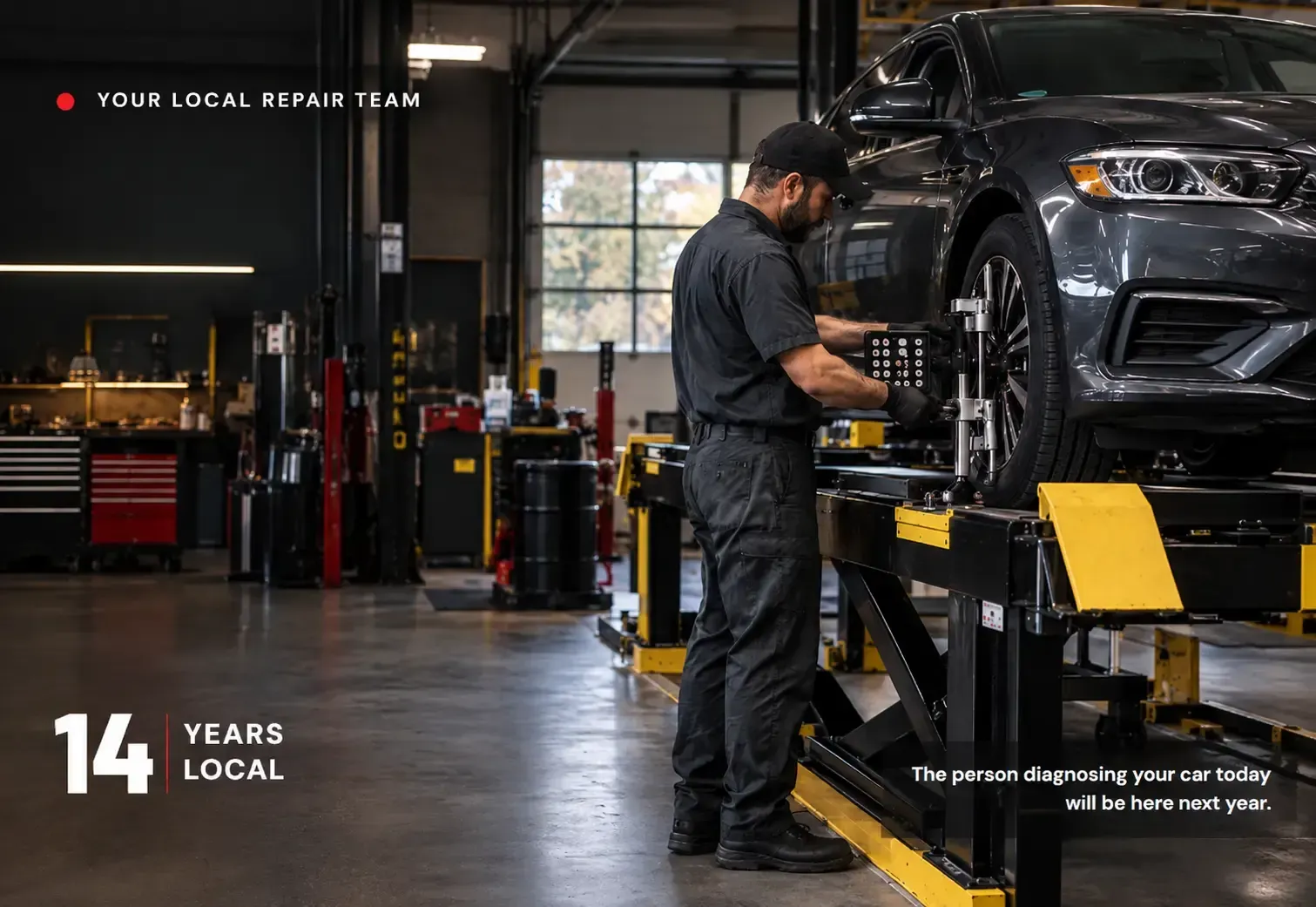
Our shop covers domestic, Asian, and European platforms, including the Toyota, Honda, Ford, and BMW vehicles that dominate the commute between Lowell and Route 3. The lead technician and owner have worked together for 15 years, keeping diagnostic logic consistent on every job. Qualifying repairs are backed by our written warranty, and we explain the recommended work before beginning repairs.
Engine Diagnostics Services
The modern engine is a closed loop of sensors, actuators, and the powertrain control module that interprets them. An oxygen sensor may provide inaccurate readings, fuel trim values may indicate an abnormal correction, or an ignition coil may begin to fail. The computer attempts to compensate until the problem reaches a threshold and triggers a diagnostic trouble code.
New England winters, road salt corrosion on connectors, and ethanol fuel residue can make these problems worse. That's why reading engine codes is only the first step in accurate powertrain diagnostics.
Check Engine Light Diagnostics
A stored code names the circuit the computer flagged, not the broken part. We pull codes, review freeze frame data, and run live sensor comparisons before any part is recommended. See the check engine light diagnostics page for the full scan, interpretation, and verification process.
Engine Repair
Once we confirm an internal fault, such as a leaking valve cover or failed timing component, we move from diagnostics to targeted repairs. See the engine repair page for the full repair scope and what to expect when a diagnosis turns into a mechanical job.
Engine Replacement
When internal damage makes repairs more expensive than replacement, we recommend replacing the engine. Examples include a spun bearing confirmed by oil analysis or a cracked engine block. Winter road salt along I-495 can also contribute to problems that bring older, high-mileage vehicles to this point sooner than drivers expect.
We source long-block or used-engine options and document mileage and warranty terms in writing, so you can decide based on measured evidence, not pressure. Replacement includes a full fluid service and a post-install verification road test before the vehicle is returned.
Drivability Diagnostics
Stumbling under load, surging at idle, or hesitation during warm-up may occur without triggering a diagnostic trouble code. These symptoms can result from intermittent signal problems with the mass airflow or throttle position sensor. Fuel trim changes that appear only under real driving conditions can also cause these issues.
Stop-and-go traffic on Route 3 and I-495 can expose these faults because repeated throttle changes reveal problems that a stationary diagnostic scan may miss. We capture live data during a road test using the Snap-on ZEUS platform. Based on our findings, we may replace a faulty sensor or repair damaged wiring or connectors. After a confirmed sensor replacement, we perform a PCM relearn when needed.
Ignition System Repair
A misfire in a specific cylinder can cause a rough idle or a flashing check engine light. It can also allow unburned fuel to reach the catalytic converter. Common causes include a failing ignition coil, a worn spark plug, or a cracked ignition boot. A cracked boot can allow the spark to ground out. Ethanol-blended fuel and harsh Massachusetts winters can also contribute to ignition-related problems.
We use stored misfire counters to identify the affected cylinder. We then swap ignition coils to see whether the problem follows the coil or stays with the cylinder. We also inspect the spark plug for fouling, worn gaps, or oil contamination. The repair is coil replacement, plug replacement to factory specification, or an injector-side investigation if the cylinder is wet with fuel.
Engine Sensor Diagnostics
Oxygen, mass airflow, crankshaft position, and camshaft position sensors all send data to the powertrain control module. An inaccurate sensor signal can affect fuel economy and emissions before triggering a diagnostic trouble code. Winter road salt can also corrode electrical connectors. A corroded connector may work normally at idle but lose its signal when the vehicle vibrates.
We use the Snap-on ZEUS to compare sensor readings against manufacturer specifications. We also back-probe electrical connectors to identify problems that may appear only during cold starts. Based on our findings, we replace the faulty sensor with an OEM-specification part or repair the connector if the sensor is working properly.
Oxygen Sensor Replacement
Faulty oxygen sensors can affect fuel control, emissions, and diagnostic readings. A P0420 code indicates the vehicle has detected catalytic converter efficiency below the expected threshold, but it does not identify the failed component on its own. We test sensor operation and related systems before recommending repairs.
Fuel System Repair and Cleaning
Hesitation during acceleration, long cranking, or a lean code may indicate clogged fuel injectors, a failing fuel pressure regulator, or ethanol-related deposits in the fuel rail. We measure fuel pressure under load, inspect injector spray patterns, and clean or replace components based on measured evidence rather than guessing at symptoms. Short winter commutes around Billerica can worsen ethanol-related deposits because the engine rarely reaches full operating temperature. That's why we test the fuel system before cleaning to confirm whether deposits are causing the problem.
Fuel Injection Service and Repair
Direct-injection engines are especially prone to intake valve deposits because fuel doesn't wash over the back of the valves. Drivers may notice a stumble during cold starts or reduced power when accelerating onto the highway. Intermittent misfires can also signal these deposits.
Ethanol-blended fuel and the short-trip commutes common through Chelmsford and Tewksbury compound it by leaving varnish on injector tips. We pressure-test the fuel rail and check injector balance using the Snap-on ZEUS. When we suspect carbon buildup, we inspect the intake valves with a borescope. Depending on our findings, we may recommend an in-tank fuel cleaner, injector replacement, or walnut-blast intake cleaning for heavy deposits.
Carbon Buildup and Intake Valve Cleaning
Direct-injection engines, including many BMW, Audi, and Volkswagen models we service, can develop heavy carbon buildup on their intake valves. This happens because fuel doesn't spray directly onto the valves to help keep them clean. Frequent short trips can make the problem worse because the engine may not reach full operating temperature.
Owners notice rough cold starts, misfire codes on specific cylinders, and a drop in fuel economy over 60,000 to 80,000 miles. We use a borescope through the intake runner to confirm carbon buildup. We then remove the intake manifold and clean the valves using walnut blasting. After cleaning, we check the misfire counters and reset the PCM adaptations so fuel trims can adjust to the cleaned valves.
Engine Oil Leak Repair
A burning-oil smell after driving, blue exhaust smoke, or fresh oil drips on the driveway can indicate an oil leak. Common sources include the valve cover gasket, oil pan gasket, or rear main seal. Harsh New England winters can harden these gaskets over time. Road salt can also corrode the hardware that holds them in place.
A clogged PCV valve can also increase crankcase pressure, forcing oil past seals that are still in good condition. To find the leak, we clean the engine, add UV dye to the oil, and inspect it under UV light after a short drive. The fix is gasket or seal replacement, plus the PCV valve when pressure is the cause, so the new seal isn't pushed right back out.
Diesel Repair
Light-duty diesel engines require additional checks, including injector balance, high-pressure fuel pump output, DPF regeneration status, and glow plug function. We use the Snap-on ZEUS to scan these systems and monitor live fuel rail pressure data. Cold-weather starting trouble is often glow plug- or battery-related rather than fuel-system related, so we test the simpler systems first.
Depending on our findings, repairs may include injector replacement with coding or fuel filter service with water-separator inspection. We may also perform forced regeneration when soot buildup exceeds the automatic regeneration threshold. Every diesel job ends with a documented live-data snapshot for future comparison.
Engine Misfire Diagnosis
A P0300 random misfire or a cylinder-specific P0301 through P0308 code points to ignition, fuel, or mechanical compression as the source. We review misfire counters and swap coils and injectors between cylinders to identify the cause. If the misfire stays with the same cylinder rather than following the component, we perform a compression or leak-down test. Winter cold starts expose weak coils and marginal plugs that run fine in summer.
What North Billerica Drivers Ask Us About Engine Diagnostics Problems
Symptoms rarely map to a single part, so we work from measured data, not guesswork. Below are the complaints we hear most often from drivers across Billerica, Lowell, Tewksbury, Chelmsford, and Wilmington.
Check Engine Light On, Vehicle Drives Normally
A steady check engine light with no drivability change usually indicates a stored emissions-related code, often from the evaporative emissions system or a drifting oxygen sensor. Driving is generally safe in the short term, but the underlying fault will not clear itself.
We pull codes and review freeze frame data to determine urgency. See the check engine light diagnostics page for the full scan and verification process.
Flashing Check Engine Light
A flashing light means an active misfire severe enough to damage the catalytic converter. The cause is almost always ignition- or fuel-related on a specific cylinder. Continued driving and a $400 coil job can turn into a converter replacement, so shut down the vehicle and tow it when possible.
Rough Idle or Stalling at Stoplights
Rough idle with no code often points to a vacuum leak, a dirty throttle body, or a failing idle air control strategy on older platforms. On direct-injection engines, carbon buildup on intake valves is a common cause. Live fuel trim data confirms the direction of the fault before any part is replaced.
Hesitation on Acceleration
Hesitation when merging onto Route 3 or climbing an on-ramp can indicate a fuel delivery problem or weak ignition under load. Transmission problems can also cause similar symptoms, making them easy to mistake for engine trouble. We road-test with live data to capture the fault as it happens, not after the vehicle is back in the bay.
Poor Fuel Economy
A measurable drop in miles per gallon without a check engine light usually traces to a lazy oxygen sensor, a dirty mass airflow sensor, or dragging brakes. Fuel trim data reveals the direction of the problem within minutes of connecting the scan tool.
Concerned about these symptoms?
How We Approach Engine Diagnostics Service
Every diagnostic starts with the owner's description of the symptom, including when it happens, the engine temperature, driving conditions, and how long the problem has been present. This conversation shapes the test plan before the vehicle moves to the bay, because a cold-start misfire and a highway hesitation call for different data captures. We also check for stored technical service bulletins against the vehicle's VIN before condemning any parts.
We connect the vehicle to our Snap-on ZEUS through the OBD-II port to scan every module, not just the engine controller. Pending codes, history codes, freeze frame data, and readiness monitor status all feed into the picture. For intermittent faults, we road test with live data logging so we capture the anomaly in context rather than assume it.
We explain our findings in writing, including what we tested, what the results mean, and which repairs we recommend. Before starting any work, we make sure you understand and approve the repairs and their costs. We never replace parts based on guesswork or recommend repairs without diagnostic evidence.
The Pro Tire & Tune Standard for Engine Diagnostics
Rushed diagnostics lead to return visits and wasted parts spending. Our process is built to prevent both, which is why owners across Middlesex County return year after year.
- We use OEM-specification parts for every engine diagnostic and repair job to meet your vehicle's requirements.
- We provide a written estimate backed by actual diagnostic findings, so you know what needs attention before approving any work.
- We've proudly served drivers in North Billerica and the surrounding communities for 14 years.
- Our shop is owner-operated, and our lead technician has been part of the team for 15 years.
- We offer free loaner cars on a first-come, first-served basis to help you get around while your vehicle is in the shop.
- We use the Snap-on ZEUS diagnostic platform to capture live vehicle data and perform manufacturer-specific coding.
Our Promise to You
- Every repair recommendation comes with actual diagnostic data you can review, so you understand exactly why the work is needed.
- You won't be pressured into unnecessary repairs or replacements. If a part is working properly, there's no reason to replace it.
- Before you approve any work, our team explains the problem, the recommended repair, and any available alternatives.
- Your service records stay on file, making it easy to reference past repairs and warranty information when needed.
- Most engine diagnostic jobs are completed the same day, helping you get back on the road sooner.
For related services, see the preventive maintenance and electrical system repair pages.
Engine Diagnostics FAQs

Will having engine diagnostics work done at an independent shop void my vehicle's warranty?
No, having engine diagnostics performed at an independent repair shop like Pro Tire & Tune will not automatically void your vehicle's warranty. The Magnuson-Moss Warranty Act protects your right to choose an independent shop instead of a dealership. Pro Tire & Tune uses OEM-specification parts and manufacturer-level diagnostic procedures. Keeping your service records helps document proper maintenance and supports future warranty claims. However, warranty coverage may not apply if an improper repair causes damage.
How much does engine diagnostics cost in Billerica?
Diagnostic fees are determined based on the type of issue and the complexity of the diagnosis. We provide the fee in writing after the initial symptom conversation.
What does a check engine light diagnostic include?
A check engine light diagnostic includes a full vehicle scan, trouble code review, freeze frame analysis, and live sensor data testing. We also check readiness monitor status and review manufacturer technical service bulletins using your vehicle's VIN. When needed, we perform a road test to identify the cause.
How long does an engine diagnostic test take?
Most straightforward diagnostics take 60 to 90 minutes from vehicle check-in. Intermittent faults that require road-test data capture or deeper component testing can extend to half a day.
Can I drive my car with the check engine light on?
A steady check engine light should be diagnosed promptly. If the vehicle runs normally and shows no other warning signs, you may be able to drive it a short distance. If you notice overheating, loss of power, unusual noises, or other serious symptoms, stop driving when safe and seek professional assistance.
Get Your Engine Diagnostics Handled Right
A check engine light or a drivability complaint will not fix itself, and ignoring it almost always turns a smaller repair into a larger one. Your vehicle may be showing a warning light, hesitating under load, or using more fuel than usual. Our team will identify the problem, document the findings, and explain the recommended repairs before you approve any work.
Qualifying engine diagnostic and repair work is backed by our written warranty.
